📚 Complete VLSI eBook Series

Static Timing Analysis (STA) Handbook

10 comprehensive chapters — click Read PDF to preview sample pages or buy full PDF for ₹29.

70% OFF
Special Introductory Offer: ₹29 per Chapter (M.R.P: ₹99)
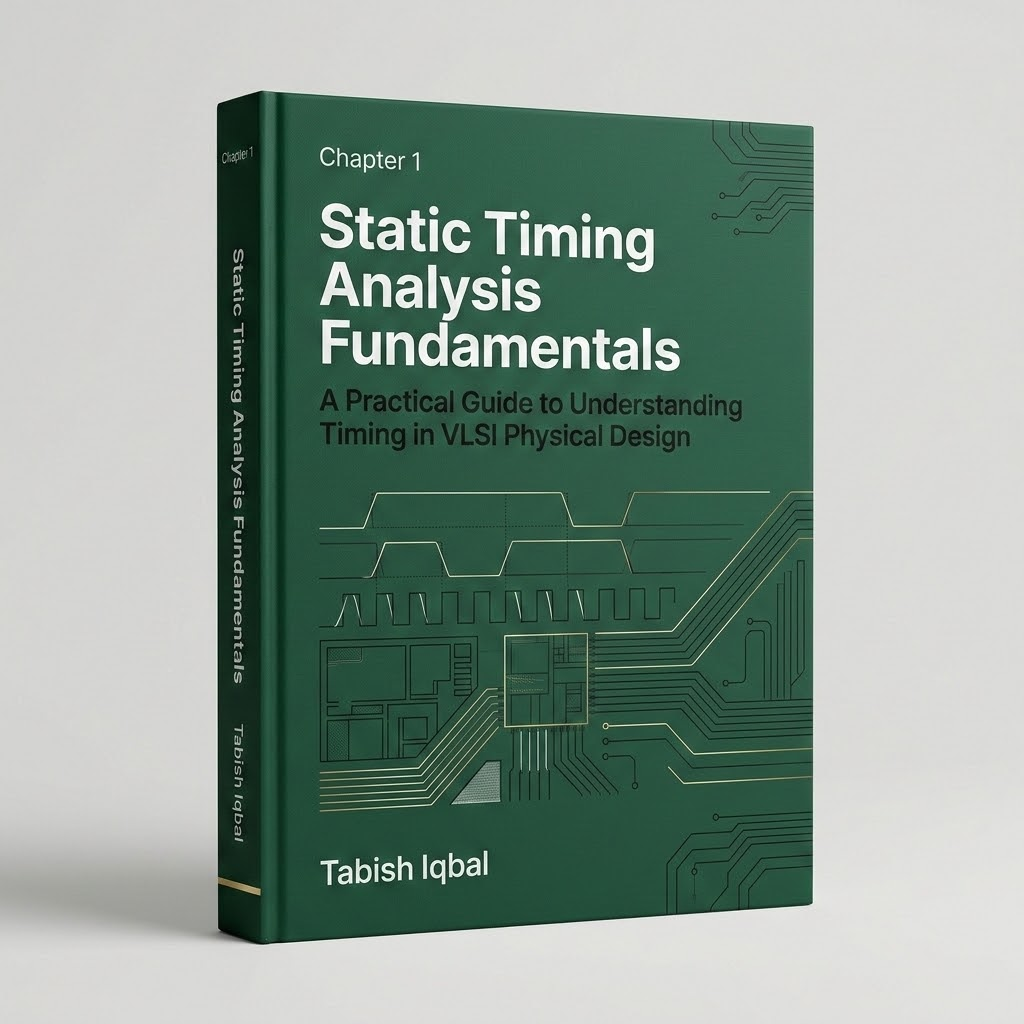
Chapter 01 - Introduction to STA
Chapter 01 ₹29 ₹99

Introduction to STA

Foundations of Static Timing Analysis — why STA is critical in ASIC physical design flows vs. dynamic simulation.

  • What is STA and why it matters
  • STA vs. dynamic simulation
  • Timing paths and STA flow
  • Beginner to expert interview Q&A
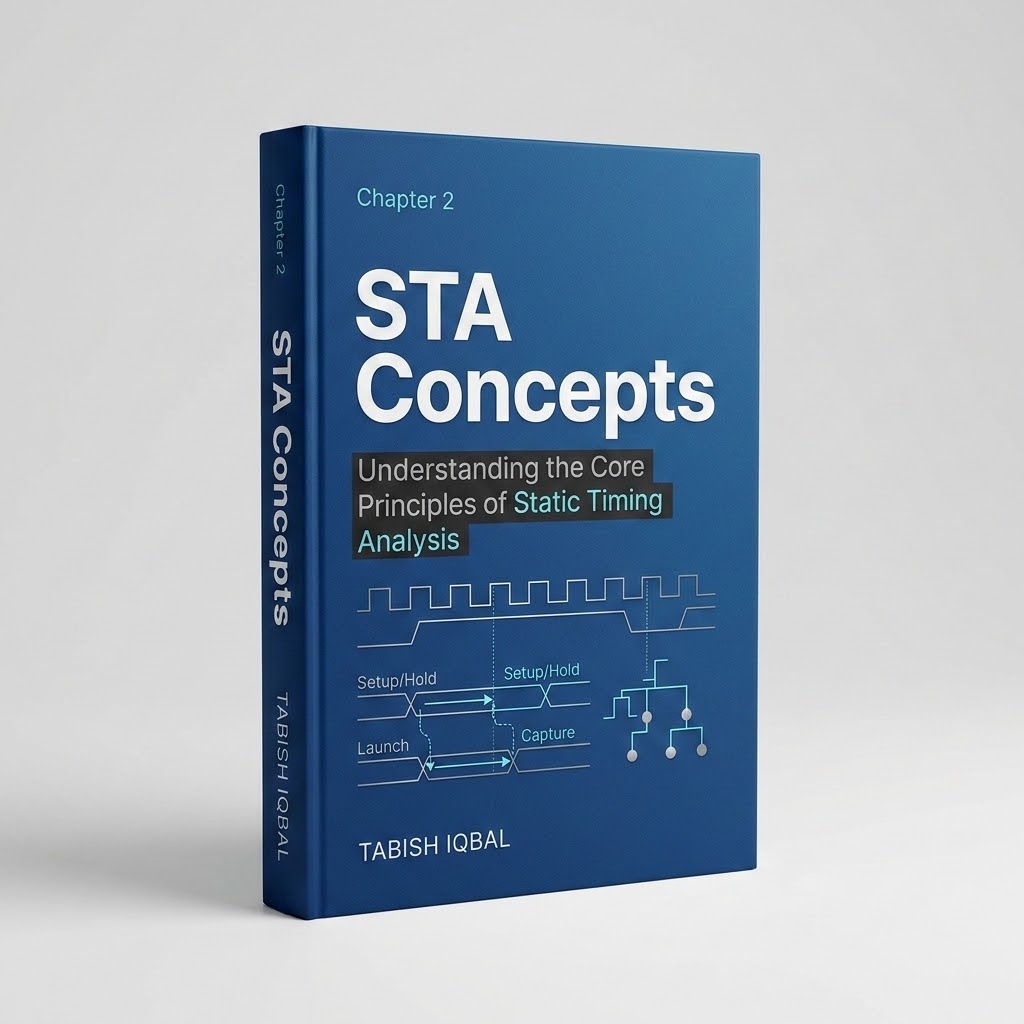
Chapter 02 - STA Concepts
Chapter 02 ₹29 ₹99

STA Concepts

Core timing path equations — launch/capture flop logic, setup and hold slack calculations, uncertainty, and latency.

  • Timing path types & analysis
  • Setup and hold equations
  • Slack calculation & report debug
  • Beginner to expert interview Q&A
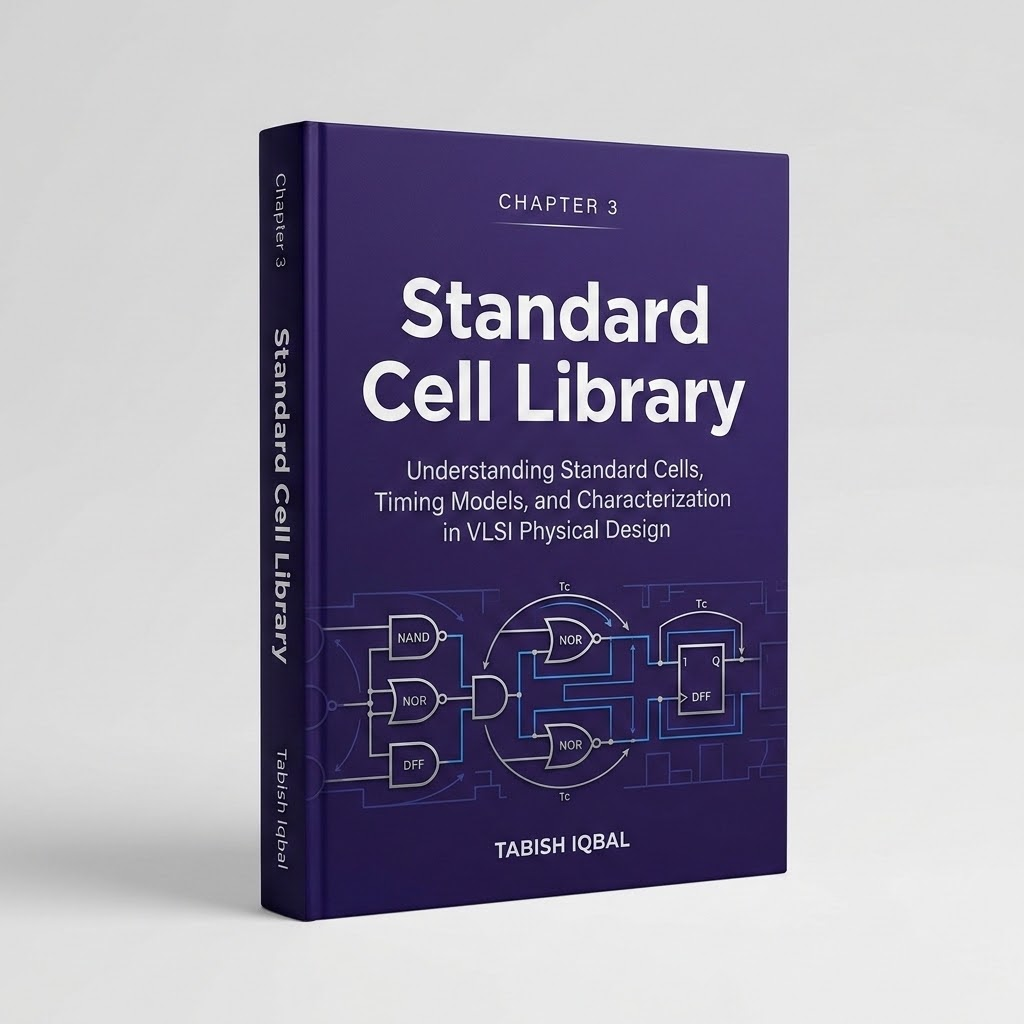
Chapter 03 - Standard Cell Library
Chapter 03 ₹29 ₹99

Standard Cell Library

Standard cell characterization, library timing models, cell delay lookup tables, and library timing arcs.

  • Cell delay & transition models
  • Library timing arcs & derating
  • Wireload models & parasitics
  • Beginner to expert interview Q&A
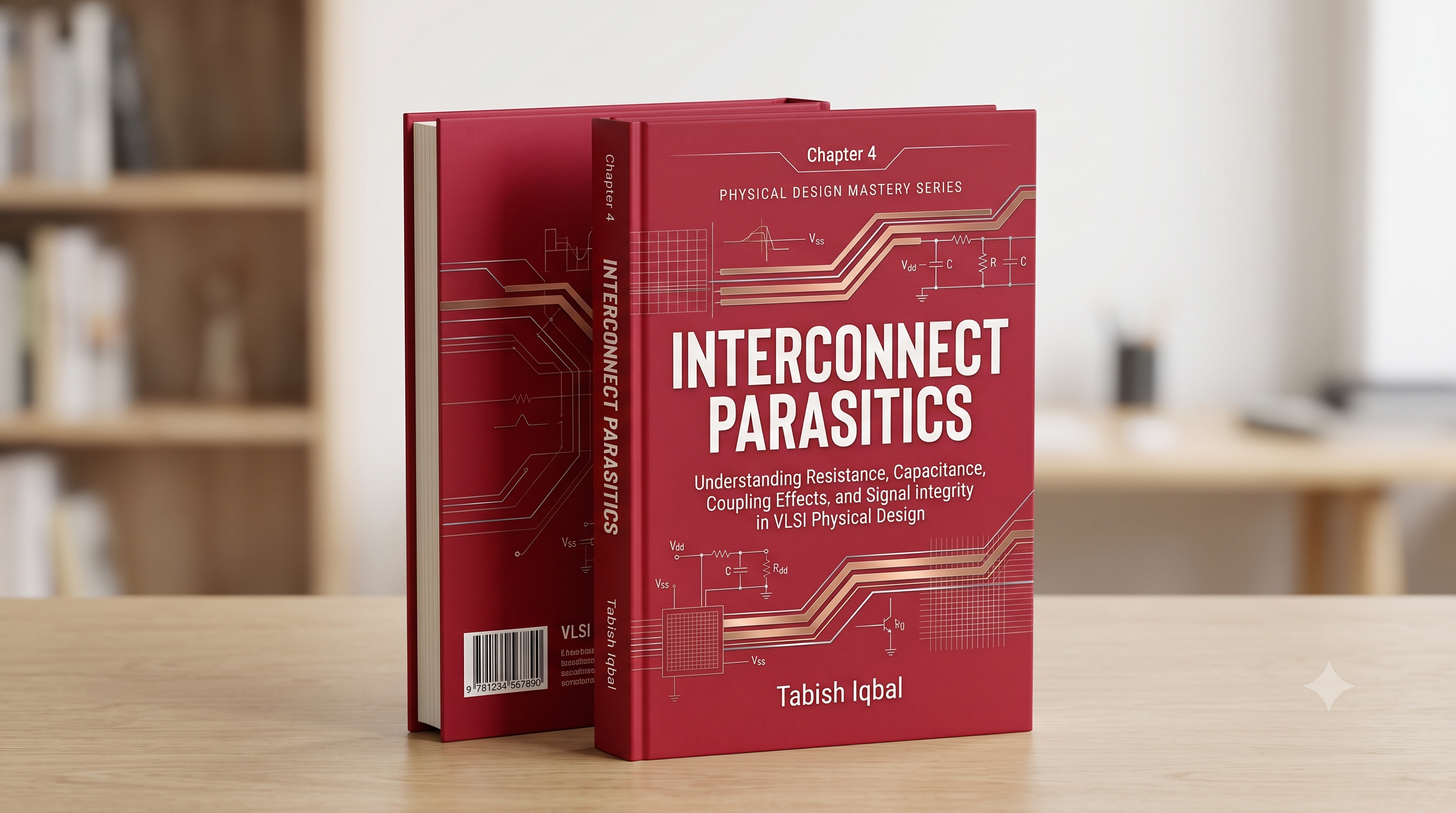
Chapter 04 - Interconnect Parasitics
Chapter 04 ₹29 ₹99

Interconnect Parasitics

Understanding interconnect resistance and capacitance — RC extraction, net delay modeling, and parasitic reduction.

  • RC delay extraction models
  • Net resistance & capacitance
  • Interconnect coupling effects
  • Beginner to expert interview Q&A
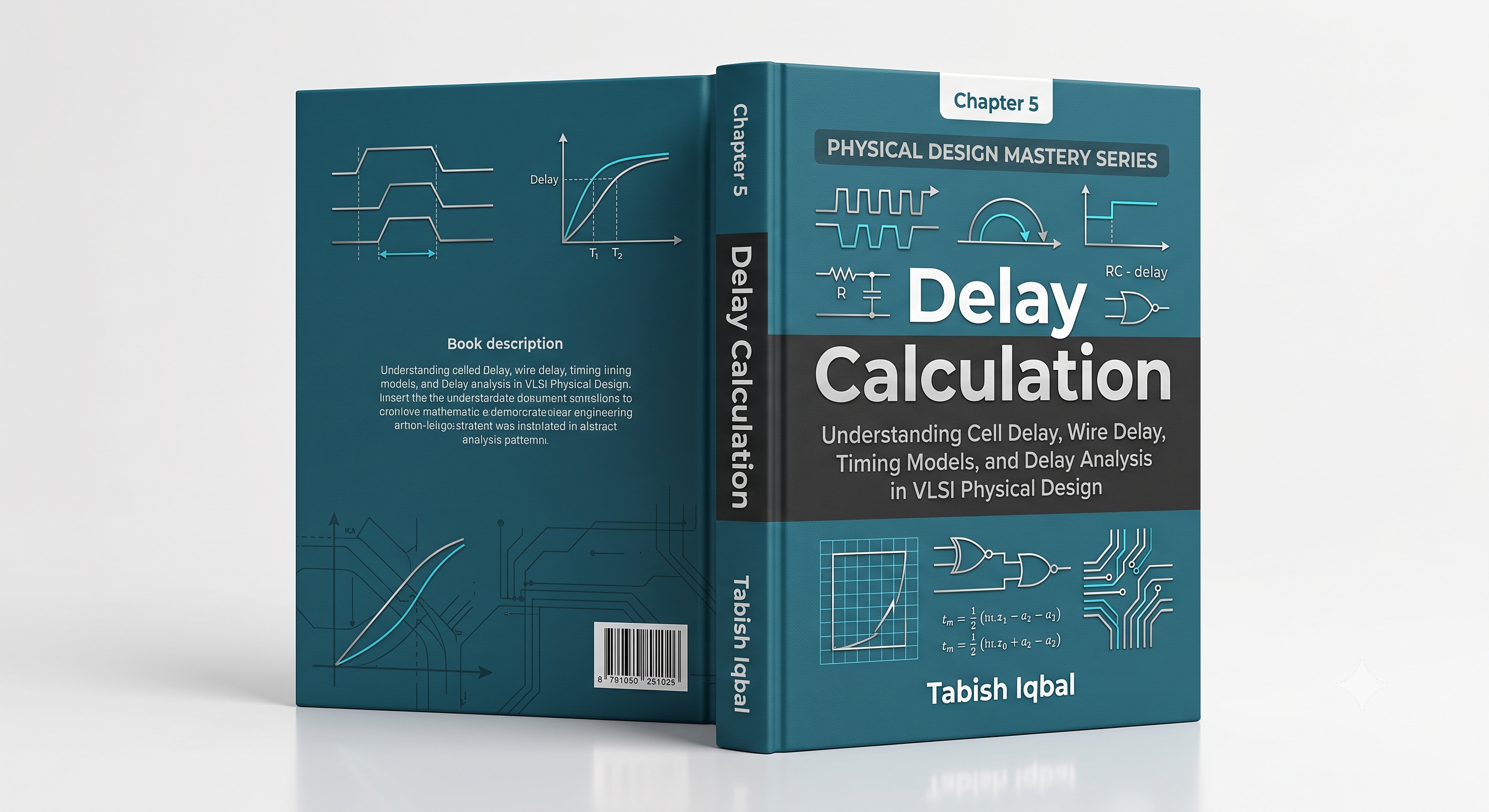
Chapter 05 - Delay Calculation
Chapter 05 ₹29 ₹99

Delay Calculation

Detailed path delay calculation methods — NLDM vs CCS models, net delays, slew propagation, and corner computation.

  • Cell delay (NLDM, CCS, ECSM)
  • Net delay & Elmore RC models
  • Transition time propagation
  • Beginner to expert interview Q&A
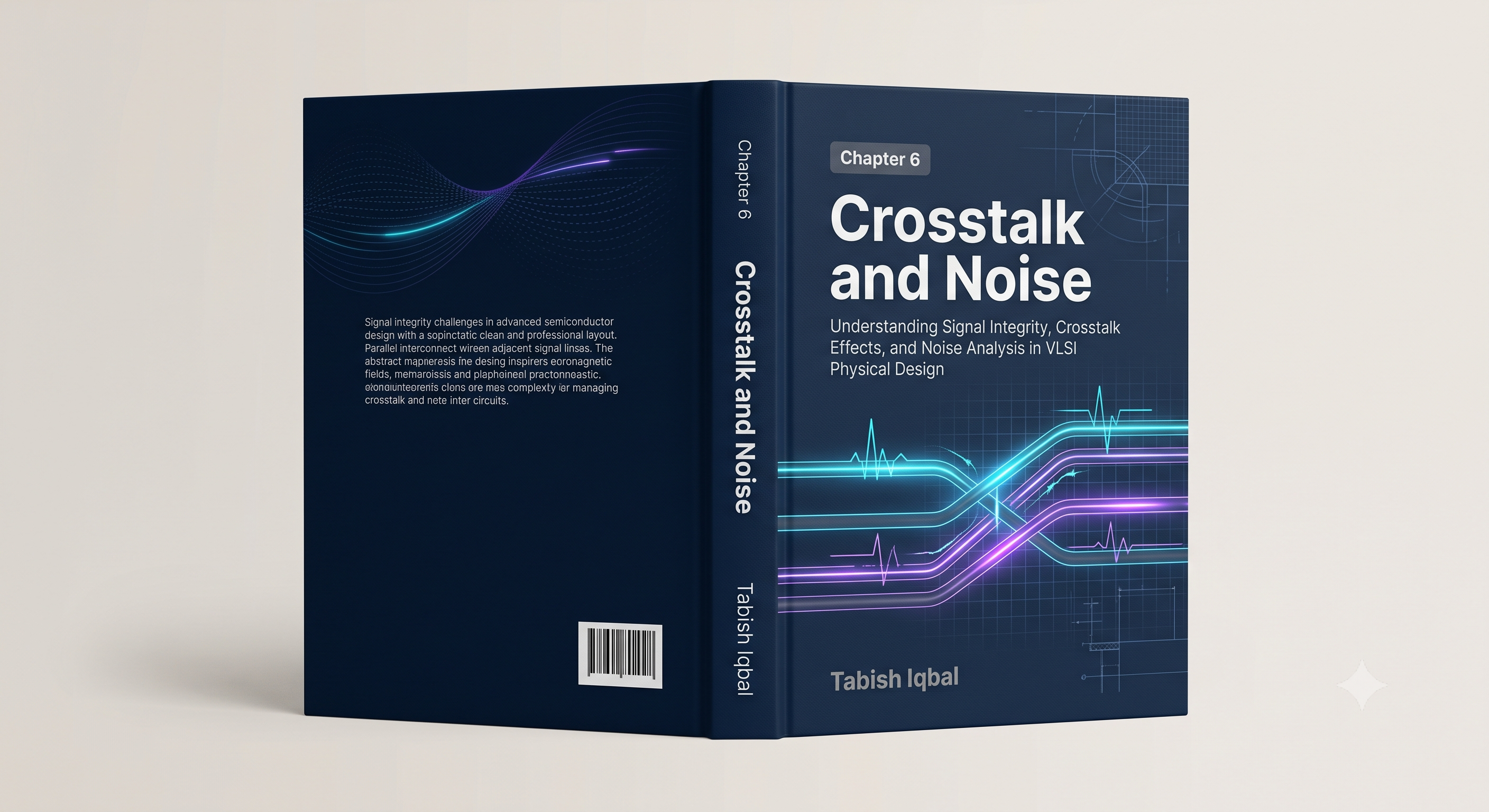
Chapter 06 - Crosstalk and Noise
Chapter 06 ₹29 ₹99

Crosstalk and Noise

Crosstalk delay and noise glitch analysis — aggressor-victim coupling, glitch propagation filtering, and SI closure.

  • Crosstalk delay & noise glitch
  • Aggressor-victim coupling
  • Signal integrity (SI) signoff
  • Beginner to expert interview Q&A
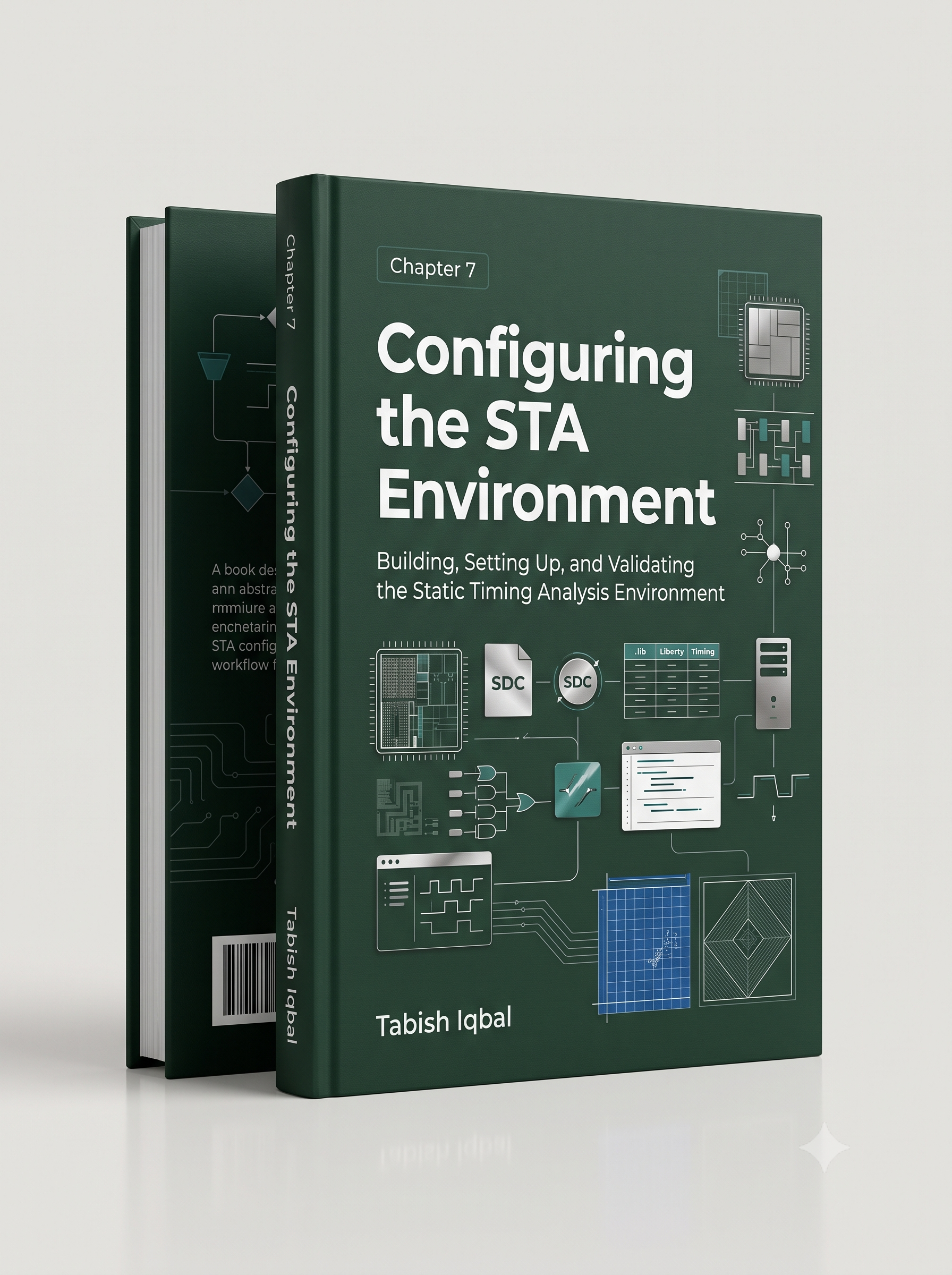
Chapter 07 - Configuring STA Environment
Chapter 07 ₹29 ₹99

Configuring STA Environment

Setting up PrimeTime environment — reading netlists, specifying libraries, applying SDC constraints, and initial runs.

  • Design read and link flow
  • Library & corner setup
  • Applying constraints in tools
  • Beginner to expert interview Q&A
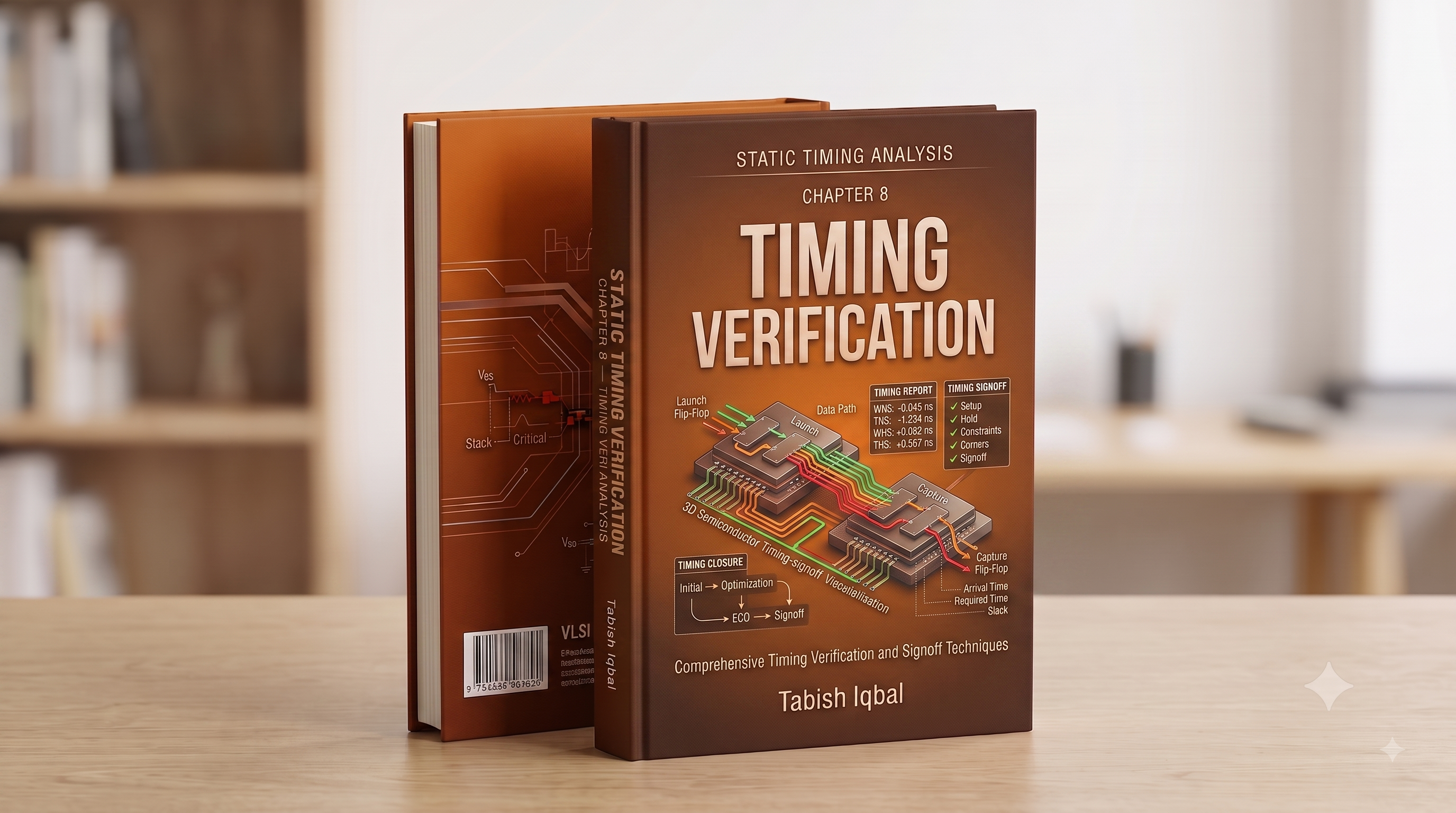
Chapter 08 - Timing Verification
Chapter 08 ₹29 ₹99

Timing Verification

Comprehensive timing verification — report interpretation, constraint validation, timing closure, and signoff methodology.

  • PrimeTime report analysis
  • Constraint validation checks
  • Timing closure strategies
  • Beginner to expert interview Q&A
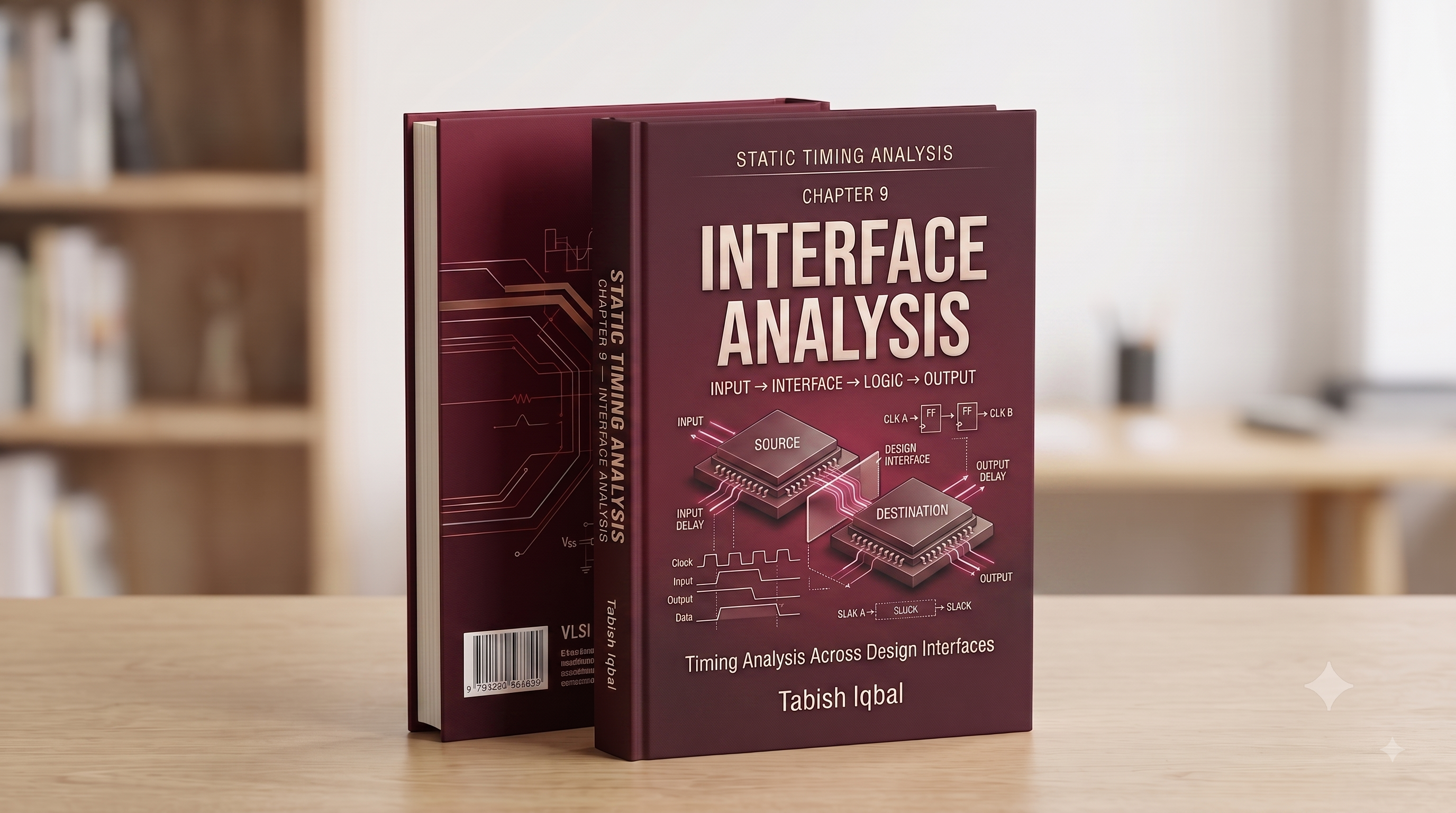
Chapter 09 - Interface Analysis
Chapter 09 ₹29 ₹99

Interface Analysis

Timing analysis across interfaces — I/O delays, boundary path constraints, synchronization, and multi-clock domains.

  • I/O interface timing models
  • Clock domain crossing (CDC)
  • Boundary path constraints
  • Beginner to expert interview Q&A
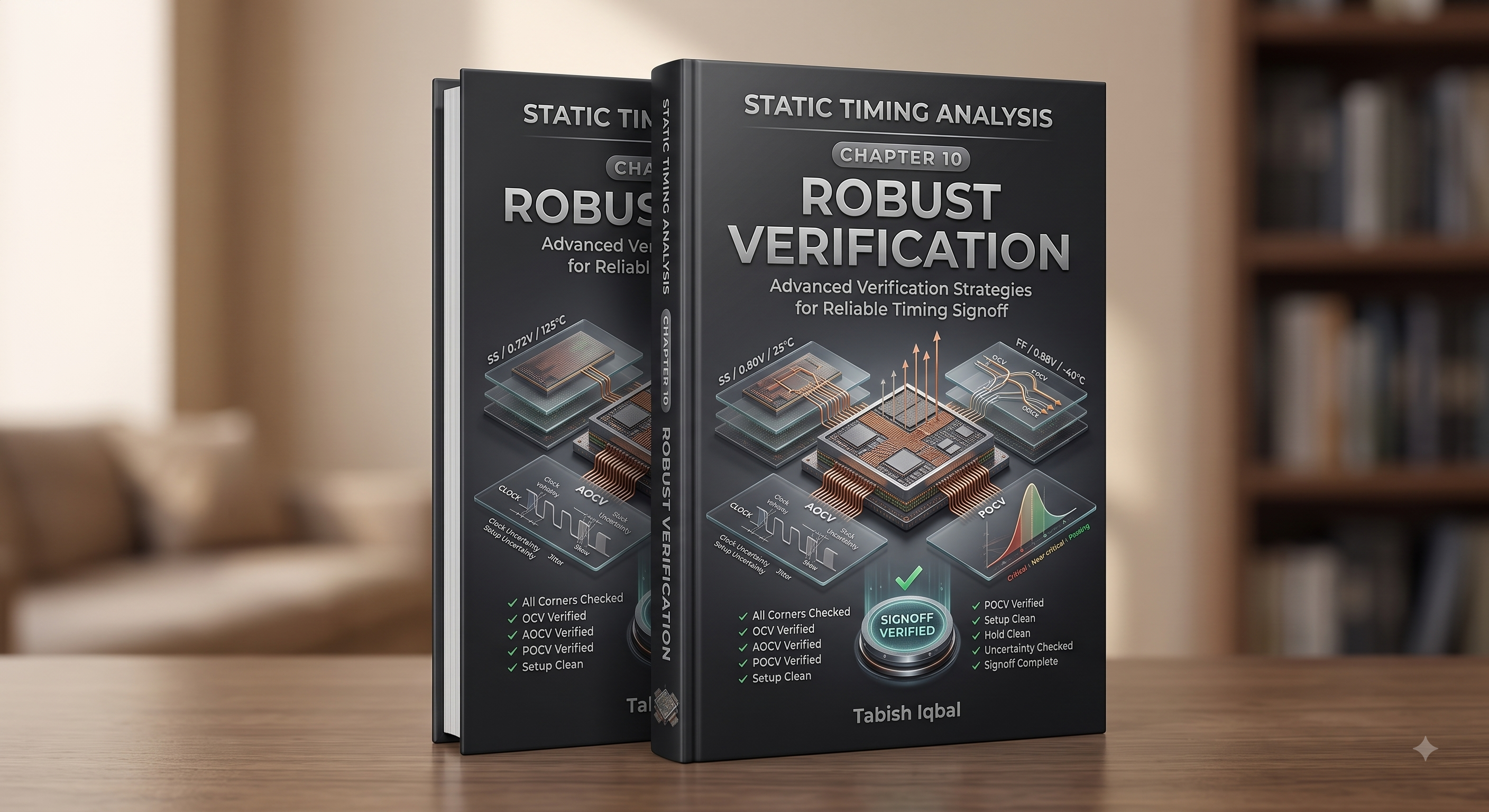
Chapter 10 - Robust Verification
Chapter 10 ₹29 ₹99

Robust Verification

Advanced signoff methodologies — Statistical STA (SSTA), On-Chip Variation (OCV/AOCV/SOCV), and timing margin derates.

  • Statistical STA (SSTA) basics
  • OCV, AOCV, SOCV modeling
  • Signoff timing margins
  • Beginner to expert interview Q&A